Как установить процессор AMD
Центральные процессоры AMD и Intel имеют разные гнезда. В первом случае контакты (ножки) расположены непосредственно на чипе, во втором случае — на сокете. При любых раскладах существует только один единственно верный способ установки центрального процессора. Неправильная инсталляция приведет либо к поломке чипа, либо к выходу из строя материнской платы. Так что будьте внимательны.
Как установить процессор AMD
В случае с процессорами AMD используется пластиковый сокет с рычагом. Самыми распространенными считаются гнезда FM2+ и AM3+. Они имеют одинаковую конструкцию, однако вы не сможете установить, например, процессор для AM3+ в сокет FM2+. Потому что количество ножек и их расположение не совпадают. Первым делом узнайте, какие чипы поддерживает ваша материнская плата. И какой у нее сокет. Все остальное — дело техники.
Итак, берем рычаг и поднимаем его вверх. На фотографии ниже видно, что верхняя пластиковая крышка с отверстиями немного съезжает в сторону. Теперь необходимо правильно установить процессор. Это самая сложная и ответственная часть. При неправильной инсталляции велик риск погнуть ножки. Чип выйдет из строя.
A look back at the history of AMD
A trip down memory lane reveals how humble beginnings led to a $175bn company today.
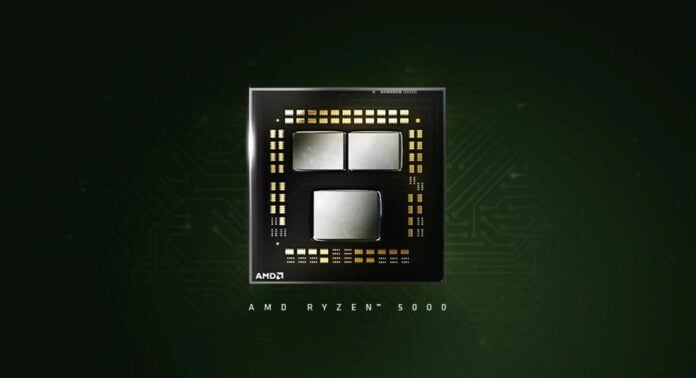
The following article is sponsored by AMD. Any opinions expressed are my own.
Introduction
Worth $175 billion at the time of writing, Advanced Micro Devices, or AMD to you and me, was founded on May 1, 1969. The company was formed by Jerry Sanders and several colleagues who all previously worked at Fairchild Semiconductor.
The Am9300 shift register was the first product to be built by AMD in 1970. The same year saw the company build its first proprietary product, the Am2501 logic counter, which was considered a commercial success.
Part of AMD’s early appeal was guaranteeing the robustness of its chips to US Military Standard, which most competitors were not able to do; chip failure was more common in the early days of semiconductor engineering and manufacturing.
Moving through the next decade, AMD created the world’s first 512K EPROM in 1984 and first 1M EPROM in 1986. By their programmable and data-retention nature when switched off, EPROMs enabled customers to accelerate the prototyping of products.
“Readers of a certain vintage will remember the emergence of AMD’s Athlon range of processors in 1999”
1991 marked an important watershed in AMD’s history as it debuted the AM386 family of in-house-designed processors which sold in millions of units and made the firm a genuine competitor in the consumer CPU space. If you wondered where the numerical part of our website’s name comes from, look no further than storied CPU history.
I have fond memories of this time as the CPU wars of the 90s sparked my interest in all things related to PCs. Perusing the tightly-packed sheets of the Micro Mart magazine, scouring for bargains, and then heading over to computer fairs – usually and strangely held at horse racecourses – and dimly-lit stores still evokes pangs of nostalgia.
Readers of a certain vintage will remember the emergence of AMD’s Athlon range of processors in 1999. The release was important for AMD’s image and bottom line as the seventh-generation processors outmuscled the competition in many areas. Athlon become the first x86-based desktop processor to run at a 1GHz clock rate and was duly named Athlon 1000.
Such a seminal number prompted me to raid the squirreled cash jar and purchase 1,000MHz of Thunderbird processing power. Though it was a single-core, single-thread chip – how quaint any tech-savvy teenager would now say – the chip was a source of pride and peer envy in equal measure.
64-bit pioneer
AMD pioneered 64-bit x86 computing in 2003 by releasing server-orientated Opteron 64 and desktop Athlon 64 models and followed these innovations by launching the world’s first x86 dual-core processor in 2004 and native quad-core in 2008.
Looking to exploit the advantages of CPU and nascent GPU computing, AMD purchased graphics specialist ATI in 2006 for $5.4bn. That seemed like an incredible outlay at the time, and I remember reporting upon it with minor disbelief, but now these sums barely make the page on financial journals.
By 2008, AMD had spun-off its manufacturing division by partnering with an investment company formed by the government of Abu Dhabi. The resulting manufacturing firm came to be known as GlobalFoundries. I’d say the move was dictated by financial considerations rather than long-term vision, no matter what the public line.
Using the combined skills of its CPU and GPU teams, AMD launched the first true hybrid processor which amalgamated the benefits of both types of compute into a single chip. Redefined as an Accelerated Processing Unit (APU), at that time it provided AMD with a unique performance advantage over the CPU-only competition.
I recall AMD having some difficulty in making enough APUs to satiate demand, and I heard first-hand from a reliable source that wafers of first-generation Llano APUs were hand-carried through GlobalFoundries’ Dresden fabrication facility. There’s nothing like old-fashioned elbow grease juxtaposed alongside cutting-edge manufacturing measured in the nanometres, right?
The calm of Zen born from the chaos of Bulldozer
Most commentators, including myself, remember AMD’s PR machine previously having to work overtime in convincing the tech press that previous-generation Bulldozer, and subsequent iterations, were solid alternatives to the strong incumbent competition. The truth was they weren’t, because the clustered multithreading technology was mired in inefficiency.
“I believe Zen was only possible due to the lacklustre reception to Bulldozer CPUs”
AMD really hit the straps with the Zen architecture which debuted in 2017 and was productised as Epyc for the server/workstation market and Ryzen on desktop and laptops.
A number of notable firsts emanated from the design, including the industry’s first 16-core high-end desktop processor (Ryzen Threadripper), the highest-performing 8-core processor (Ryzen), and fastest processor for thin-and-light laptops (Ryzen Mobile).
I believe Zen was only possible due to the lacklustre reception to Bulldozer CPUs, forcing AMD to adopt a clean-sheet design and build a new architecture without the shackles imposed by, in hindsight, poor legacy decisions. Zen’s reach was far-sighted, too, as the modular nature of the chiplet design enabled AMD to launch products simply not economically possible with established monolithic implementations. From the chaos of Bulldozer came the calm of Zen.
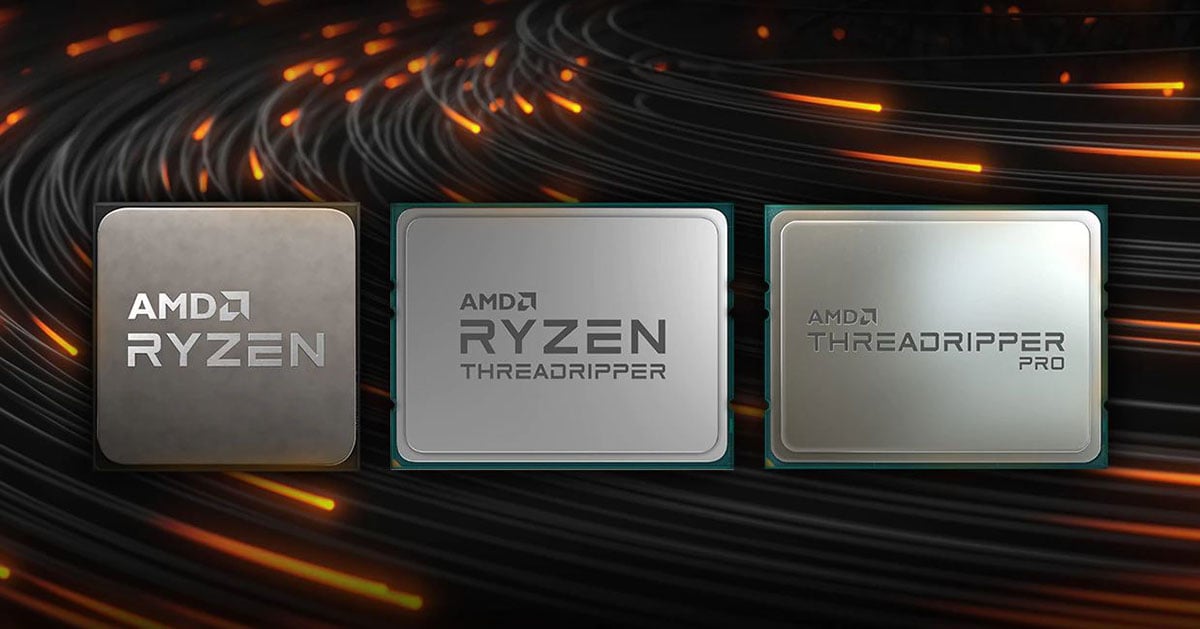
Since then, AMD has further introduced the first 16-core gaming chip (Ryzen 3950X), the first 64-core x86 server processor (Epyc 7002), and the first CPUs and GPUs to be built on the energy- and space-saving 7nm manufacturing process. The very latest chips use the Zen 3 architecture for best-in-class performance across a number of workloads and segments.
Ryzen and Epyc processors turned around AMD’s fortunes both externally and internally. I’ve noticed a sea change in ambition, confidence and scope from long-standing employees who previously had to defend, let’s be candid, inferior products. Now, AMD doesn’t frame itself in the shadow of others, and roadmap execution isn’t a kneejerk reaction to what competitors are releasing in this quarter. It’s certainly no coincidence that AMD’s fortunes have rallied since present CEO, Lisa Su, took the reins in 2014. I’ve had the pleasure of speaking with her on numerous occasions, and she remains as affable and forthcoming now as when she first took on the job.
A clear path to AI
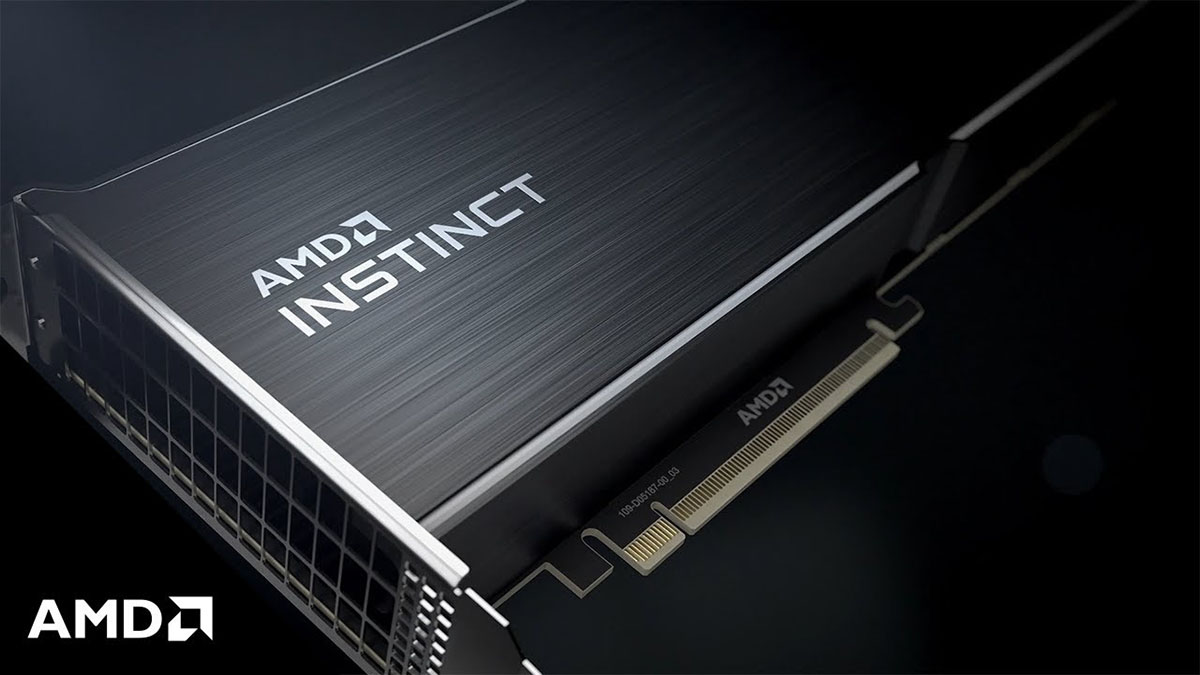
Moving to the very present, AMD introduced the Radeon Instinct MI200 series accelerators. Purposely built for speeding up complex research programs run in the high-performance computing (HPC) space, and founded on the latest CDNA 2.0 architecture, the dual-die accelerators, connected via high-speed Infinity Fabric, pack in an incredible 58bn transistors. Backed by 128GB of HBM2E memory, the MI250X offers 47.9TFLOPs of double-precision compute and 383TFLOPs of half-precision throughput.
From my view, AMD wants to target growth areas in which it previously had only a sliver of a foothold. The world of AI demands incredible heterogenous compute power – supercomputers are primed for it – and AMD believes its portfolio of accelerators and accompanying software makes a strong case for adoption. From where I sit, it’s becoming more difficult to disagree with that assertion, but this confidence in execution is tempered by the knowledge that competitors are also putting tremendous hardware and software resource in the same place. The future of AI computation is a prize well worth fighting for.
To whit, along with the latest Epyc server processors, Radeon Instinct MI200 accelerators feature in Oak Ridge National Laboratory’s Frontier exascale computer, which is expected to deliver more than 1.5 exaflops of peak computing power – over 3x the performance of the fastest supercomputer on record today, the Fugaku, and about 10x faster than the Oak Ridge’s Summit supercomputer from 2018. Quite a feat considering Summit remains to this day the speediest supercomputer in the USA.
3D V-Cache coming to a Ryzen and Epyc near you
The near-future ambitions of AMD build on the work of recent years. The company is set to invigorate the present Ryzen line-up by equipping the next generation with what the company terms 3D V-Cache. Though based on the existing Zen 3 architecture available on Ryzen 5000 series, AMD massively boosts the refreshed chips’ pool of L3 cache by using a novel technique whereby an extra 64MB of cache is stacked vertically on each chiplet.
“AMD cites gaming as a good example of 3D V-Cache deployment”
Shown on a prototype Ryzen 9 5900X during CES 2021, adding an extra 128MB of L3 – across two chiplets – triples the amount available on the regular, non-3D V-Cache chip.
Having more on-chip cache is beneficial because it is an order of magnitude faster than accessing the same information held in system memory or, as a last resort, computer storage. Latest-generation Radeon GPUs also have more-than-usual cache for the same underlying reasons, known by the catchy name of Infinity Cache.
Suffusing next-gen Ryzens with 3x the L3 cache plays particularly well in applications that are more sensitive to memory bandwidth and location proximity to the compute cores. AMD cites gaming as a good example of 3D V-Cache deployment, offering up to 15 per cent higher gaming performance at 1080p when compared directly against an otherwise identical Ryzen processor without this modern technology.
Presented in the familiar AM4 form factor and requiring no software intervention to function at optimum levels, 3D V-Cache-equipped Ryzens are due in Q1 2022. We won’t have long to wait to verify AMD’s performance-enhancing claims.
AMD is using the same 3D V-Cache technology on server- and workstation-optimised Epyc processors. The current third-generation Epyc processors, codenamed Milan, are to be supplemented in early 2022 with L3 cache-injected models known as Milan-X.
Current Epyc 7003 series chips top out at an impressive 256MB of L3 cache per processor, split 16MB over 16 CCXes. Through stacking extra cache vertically – or 3D, if you will – AMD is also able to triple the amount of L3, to a total 768MB per top-bin chip. In a 2P dual-processor solution, common in the industry, this equates to a whopping 1.5GB of L3 per motherboard.
I feel it’s vitally important companies strive to innovate outside the known process and pure architecture box that has been the development handbook for years. These two drivers naturally offer an uplift from one generation to the next, but there will come a time when large advances for both become harder to come by. It’s then that mid-term updates such as V-Cache make the most sense. Engineering has to be cutting edge and smart at the same time.
In the fast-moving world of technology, AMD continues to innovate at pace with plenty more to come in 2022.
Как установить процессор AMD
Установка процессора — один из самых важных этапов сборки компьютера. Корректно установленный процессор обеспечивает стабильную работу системы. В данной статье мы расскажем вам о том, как правильно установить процессор от компании AMD.
Шаг 1. Подготовка к установке. Перед началом процедуры необходимо проверить совместимость выбранного процессора с материнской платой вашего компьютера. Убедитесь, что полученные компоненты имеют одинаковый сокет. Также важно убедиться, что материнская плата поддерживает выбранный процессор.
Шаг 2. Подготовка рабочего места. Прежде чем приступать к установке процессора, убедитесь, что рабочая поверхность чиста и суха. Выключите компьютер и отсоедините его от электрической сети. Найдите подходящий отвертку и антистатическую наручнику, которые помогут вам сохранить детали от статического электричества.
Шаг 3. Установка процессора. Перед установкой процессора следует ознакомиться с инструкцией от производителя вашей материнской платы. Внимательно откройте защитный кожух процессора и аккуратно установите процессор в соответствующий сокет. Убедитесь, что процессор находится на своем месте и правильно вставлен в сокет.
Важно помнить, что при установке процессора следует не прикладывать излишнего усилия, чтобы не повредить нежные контакты.
Шаг 4. Закрепление процессора. Теперь, когда процессор установлен в сокете, вам необходимо закрепить его при помощи силы нажатия или защелки. Внимательно прочитайте инструкцию от производителя, чтобы узнать, как правильно закрепить процессор. Убедитесь, что процессор надежно закреплен и не имеет возможности перемещаться.
Следуя этим четырем шагам, вы сможете правильно установить процессор от компании AMD и гарантировать стабильность работы вашего компьютера.
Выбор правильного процессора AMD
Перед выбором процессора AMD необходимо определить цель использования компьютера. Если вам нужен компьютер для повседневных задач, работы с офисными программами или просмотра мультимедийного контента, то процессоры среднего уровня или процессоры семейства AMD Ryzen 3 будут оптимальным выбором. Они предоставят достаточную производительность для выполнения базовых задач.
Для выполнения более ресурсоемких задач, таких как обработка графики, видеомонтаж, игры или виртуальная реальность, рекомендуется обратить внимание на процессоры классов AMD Ryzen 5 и AMD Ryzen 7. Они предлагают большее количество ядер и потоков, что позволит справиться с более сложными задачами с высокой производительностью.
Также необходимо учитывать совместимость процессора с материнской платой и оперативной памятью. Обратите внимание на сокет и поколение процессора, чтобы убедиться, что они совместимы с выбранной материнской платой. Также проверьте максимальную поддерживаемую частоту оперативной памяти, чтобы быть уверенными в оптимальной работе вашей системы.
Выбор процессора AMD должен опираться на ваши потребности, а также совместимость с остальными компонентами вашей системы. Заранее определитесь с целями использования компьютера и изучите характеристики различных процессоров AMD, чтобы сделать правильный выбор.
Подготовка к установке
Перед тем, как приступить к установке процессора AMD, необходимо выполнить несколько подготовительных шагов:
- Проверьте совместимость процессора с материнской платой и оперативной памятью. Убедитесь, что выбранный процессор подходит для выбранной материнской платы и поддерживает нужный тип и объем оперативной памяти.
- Убедитесь, что у вас есть все необходимые инструменты. Для установки процессора вам понадобятся отвертка, термопаста и, возможно, пинцет.
- Подготовьте рабочее место. Убедитесь, что у вас есть достаточно свободного пространства на столе или рабочей поверхности, чтобы удобно работать с материнской платой.
- Выключите компьютер и отсоедините все провода. Перед началом установки процессора необходимо отключить компьютер от электрической сети и отсоединить все кабели и провода, подключенные к системному блоку.
- Разберите системный блок. Откройте боковую крышку компьютера, чтобы получить доступ к материнской плате и процессорному сокету.
- Отсоедините кулер от процессора. Если кулер уже установлен на процессор, его необходимо осторожно отсоединить. Для этого отверните крепежные винты или, в случае использования защелок, аккуратно отожмите их.
- Очистите поверхность процессорного сокета. Используйте антистатический материал или мягкую кисточку, чтобы удалить пыль и грязь с поверхности процессорного сокета.
- При необходимости нанесите термопасту. Если на процессоре нет предустановленной термопасты или она старая, нанесите небольшое количество качественной термопасты на поверхность процессора. Распределите ее равномерно по всей площади процессора.
После выполнения этих шагов вы будете готовы к установке процессора AMD. Внимательно следуйте инструкциям производителя, чтобы избежать возможных повреждений компонентов и получить наилучшую производительность от вашего компьютера.
Распаковка процессора
Перед установкой процессора AMD необходимо правильно распаковать его из упаковки. Это позволит избежать повреждений и сохранить гарантийные обязательства производителя. Воспользуйтесь следующей пошаговой инструкцией для безопасной распаковки процессора:
Поставьте упаковку на ровную и стабильную поверхность. Убедитесь, что нижнюю часть упаковки можно легко открыть.
Осторожно снимите верхнюю часть упаковки, следуя указаниям на ней. Избегайте сильных давящих движений, чтобы не повредить процессор.
Внимательно извлеките процессор из упаковки, держась за боковые края. Избегайте прикосновения к контактным пинам на нижней стороне процессора.
Проверьте процессор на наличие видимых повреждений или дефектов. Если вы заметите какие-либо проблемы, обратитесь к продавцу или производителю для получения помощи.
Убедитесь, что на контактной стороне процессора нет пыли, грязи или посторонних предметов. В случае обнаружения загрязнений, аккуратно очистите их сухой чистой тканью или специальной очищающей салфеткой.
После завершения распаковки процессор готов к установке на материнскую плату.
Следуя указанным шагам, вы сможете безопасно распаковать процессор AMD и готовы приступить к его установке.
Подготовка материнской платы
Перед установкой процессора AMD необходимо подготовить материнскую плату. Вот шаги, которые следует выполнить:
Отключите компьютер от электрической сети и выньте шнур питания из розетки.
Разместите материнскую плату на рабочей поверхности с металлическим основанием.
Просмотрите инструкцию производителя материнской платы и найдите сокет для процессора. Сокет обычно имеет прямоугольную форму и расположен в центре платы.
Удалите защитную крышку с сокета материнской платы. Обычно крышка удерживается защелками или винтами.
Осмотрите площадку сокета, чтобы проверить наличие повреждений или грязи. При необходимости очистите площадку с помощью мягкой щетки или компрессора для удаления пыли.
Убедитесь, что контактные пины на процессоре AMD выровнены с отверстиями на площадке сокета. Разъем должен держаться на месте.
Подготовка материнской платы перед установкой процессора AMD поможет избежать повреждений и обеспечит правильное функционирование компьютера. Продолжайте следующим шагом – установкой процессора.
Установка процессора на материнскую плату
Перед тем как начать установку процессора на материнскую плату, убедитесь, что компьютер выключен и отсоедините его от источника питания.
Положите материнскую плату на плоскую поверхность с нижней стороной вверх.
Найдите соответствующий процессорный сокет на материнской плате. Учтите, что каждый сокет поддерживает определенные модели процессоров, поэтому убедитесь, что ваш процессор совместим с сокетом.
Осторожно откройте крышку сокета, следуя инструкциям производителя материнской платы. Обычно требуется либо повернуть, либо поднять механизм крепежных защелок.
Возьмите процессор за боковые края и аккуратно вставьте его в сокет, убедившись, что контактные пины процессора правильно выровнены с отверстиями сокета. Будьте осторожны, чтобы не повредить пины или поверхность сокета.
Плотно закройте крышку сокета, убедившись, что она защелкнулась. Процессор должен быть надежно закреплен.
После установки процессора на материнскую плату можно продолжить сборку компьютера и подключить его к источнику питания.
Не забудьте также проверить, что установленные оперативная память, видеокарта и другие компоненты совместимы с процессором и материнской платой, чтобы избежать конфликтов и ошибок при работе компьютера.
Наложение термопасты
- Очистите поверхность процессора и кулера от старой термопасты. Для этого можно использовать изопропиловый спирт и мягкую ткань.
- Возьмите небольшое количество термопасты (размером с горошину) и распределите ее равномерно по поверхности процессора. Не наносите слишком много термопасты, чтобы избежать ее потекания.
- С помощью кредитной карты или пластиковой лопатки аккуратно распределите термопасту по всей поверхности процессора. Старайтесь создать тонкий, равномерный слой.
- Наденьте кулер на процессор, аккуратно прижимая его к поверхности. Убедитесь, что кулер плотно прилегает к процессору.
После наложения термопасты и установки кулера ваш процессор AMD готов к работе. Важно помнить, что правильная установка и нанесение термопасты способствуют эффективному охлаждению процессора и могут увеличить его срок службы.
Установка кулера на процессор
Чтобы установить кулер на процессор, выполните следующие шаги:
- Тщательно очистите поверхность процессора от остатков термопасты с помощью специальной жидкости и ватного шарика.
- Поставьте на процессор небольшое количество новой термопасты размером с горошину.
- Разместите кулер над процессором таким образом, чтобы его крылья были направлены в сторону задней панели корпуса.
- Аккуратно опустите кулер на процессор и равномерно приложите давление, чтобы кулер легко зафиксировался на своем месте с помощью крепежных элементов.
- Убедитесь, что кулер плотно прилегает к процессору и отсутствуют зазоры.
- Закрепите кулер на месте с помощью защелок или крепежных винтов, следуя инструкции к кулеру.
После установки кулера на процессор, убедитесь, что он надежно закреплен и не двигается. Проверьте правильность установки, повернув кулер несколько раз в разные стороны.
Важно помнить, что при установке кулера необходимо соблюдать меры предосторожности и не прилагать излишнего давления на процессор, чтобы избежать повреждения его поверхности.
Проверка работы процессора
После установки процессора на материнскую плату необходимо проверить его работоспособность. Следование данным шагам поможет убедиться, что процессор работает корректно:
- Убедитесь, что все компоненты компьютера подключены и включены.
- Войдите в BIOS, нажав нужную кнопку при загрузке компьютера (обычно это кнопка Del, F2 или Esc), и проверьте, что процессор опознан и работает с правильной скоростью.
- Запустите специальные программы для тестирования процессора, например, Prime95 или AIDA64. Эти программы помогут проверить стабильность работы процессора под нагрузкой.
- Проверьте температуру процессора, используя программы для мониторинга системы, такие как HWMonitor или Core Temp. Удостоверьтесь, что температура процессора находится в пределах нормы.
- Проверьте производительность компьютера, запустив различные приложения и игры. Убедитесь, что система работает стабильно и нет ошибок связанных с процессором.
Если в процессе проверки вы обнаружили проблемы, возможно, вам потребуется переустановить или заменить процессор. Если все работает исправно, то вы можете быть уверены, что процессор правильно установлен и готов к использованию.
Advanced Micro Devices Inc.
Have Watchlists? Log in to see them here or sign up to get started.
No Items in Watchlist
There are currently no items in this Watchlist.
No Saved Watchlists
Create a list of the investments you want to track.
Uh oh
Something went wrong while loading Watchlist.
Recently Viewed Tickers
No Recent Tickers
Visit a quote page and your recently viewed tickers will be displayed here.
Search Tickers
Overview
More Content
AMD Overview
Key Data
Performance
Analyst Ratings
- Sell
- Under
- Hold
- Over
- Buy
Recent News
-
MarketWatch Dow Jones
Advanced Micro Devices Inc. stock outperforms market on strong trading day
Dec. 8, 2023 at 4:36 p.m. ET by MarketWatch Automation
Technology AMD Stock Is More Expensive Than Nvidia. That Makes No Sense.
Dec. 8, 2023 at 1:17 p.m. ET by Barron’s
Technology TSMC CEO Predicts Big AI Chip Demand but Sees 3 Key Challenges
Dec. 8, 2023 at 11:33 a.m. ET by Barron’s
Cardano leads way as most big cryptocurrencies post gains
Dec. 8, 2023 at 10:00 a.m. ET by MarketWatch Automation
Tech Advances on AI Optimism — Tech Roundup
Dec. 7, 2023 at 5:20 p.m. ET
Advanced Micro Devices Inc. stock outperforms market on strong trading day
Dec. 7, 2023 at 4:36 p.m. ET by MarketWatch Automation
Nasdaq posts 1.4% gain on renewed AI optimism, S&P 500 and Dow snap 3-day drop ahead of Friday’s jobs report
Dec. 7, 2023 at 4:31 p.m. ET by Joseph Adinolfi
Technology AMD Stock Is Top Performer in the S&P 500. Here’s What Wall Street Thinks Of Its New AI Chips.
Dec. 7, 2023 at 1:55 p.m. ET by Barron’s
Technology AMD’s New AI Chips Are Here. Why Nvidia Investors Don’t Need to Worry.
Dec. 7, 2023 at 1:55 p.m. ET by Barron’s
AMD wins high praise for AI advancements as its stock soars 6%
Dec. 7, 2023 at 10:54 a.m. ET by Emily Bary
Cardano leads decreases as large cryptocurrencies start mixed
Dec. 7, 2023 at 10:00 a.m. ET by MarketWatch Automation
Markets Jamie Dimon Wants to Kill Off Bitcoin, Buffett Hates It. Why It’s Invincible.
Dec. 7, 2023 at 6:41 a.m. ET
Opinion AMD’s new products represent the first real threat to Nvidia’s AI dominance
Dec. 6, 2023 at 7:53 p.m. ET by Therese Poletti
Tech Drops as AI Competition Intensifies — Tech Roundup
Dec. 6, 2023 at 5:18 p.m. ET
Advanced Micro Devices Inc. stock outperforms competitors despite losses on the day
Dec. 6, 2023 at 4:36 p.m. ET by MarketWatch Automation
Technology AMD Unveils New AI Chips and Announces Customers for its Nvidia GPU Rival
Dec. 6, 2023 at 3:15 p.m. ET by Barron’s
Most large cryptocurrencies rise as Dogecoin climbs
Dec. 6, 2023 at 10:00 a.m. ET by MarketWatch Automation
Advanced Micro Devices Inc. stock underperforms Tuesday when compared to competitors
Dec. 5, 2023 at 4:36 p.m. ET by MarketWatch Automation
Large cryptocurrencies mixed as Ripple declines
Dec. 5, 2023 at 10:00 a.m. ET by MarketWatch Automation
Technology IBM and Meta Launch New Group to Support Open Approach for AI Models
Dec. 5, 2023 at 12:01 a.m. ET by Barron’s
No Headlines Available
No Headlines Available
No Headlines Available
-
Other News Press Releases
Stock Market Inches Higher, AI Race Heats Up, Jamie Dimon Slams Bitcoin: The Week In The Markets
Dec. 8, 2023 at 5:09 p.m. ET on Benzinga.com
3 Blue-Chip Stocks You Can Count On For Stability
Dec. 8, 2023 at 2:30 p.m. ET on InvestorPlace.com
10 Information Technology Stocks With Whale Alerts In Today’s Session
Dec. 8, 2023 at 12:35 p.m. ET on Benzinga.com
What’s Going On With Advanced Micro Devices Stock?
Dec. 8, 2023 at 11:56 a.m. ET on Benzinga.com
Stock Market News for Dec 8, 2023
Dec. 8, 2023 at 9:40 a.m. ET on Zacks.com
Index Futures Fall, Dollar Rallies As Labor Market Strength Dampens Fed Rate Cut Speculation
Dec. 8, 2023 at 9:07 a.m. ET on Benzinga.com
American Micro Devices Stock Spikes Thanks to Artificial Intelligence (AI), Yet There’s More to the Story
Dec. 8, 2023 at 8:00 a.m. ET on Motley Fool
Jump on Nvidia’s Pullback: The AI Powerhouse Is Set for a Comeback
Dec. 8, 2023 at 6:50 a.m. ET on InvestorPlace.com
What’s Going On With Nvidia Stock Friday?
Dec. 8, 2023 at 6:29 a.m. ET on Benzinga.com
Five Ways to Profit from a Potential $155 Billion Intelligence-as-a-Service Boom
Dec. 8, 2023 at 6:05 a.m. ET on Baystreet.ca
AMD’s David McAfee Says AI Is Going To Be Transformational For PC Experience As The Mouse Was
Dec. 8, 2023 at 5:56 a.m. ET on Benzinga.com
Famous ‘Big Short’ Investor Michael Burry Is Betting Big Against Chip Stocks Like Nvidia and AMD
Dec. 8, 2023 at 5:00 a.m. ET on Motley Fool
AMD Stock (NASDAQ:AMD): Will AI-Fueled Rally Lose Steam?
Dec. 8, 2023 at 2:58 a.m. ET on TipRanks.com
AMD, Broadcom, Lululemon, Google Parent Alphabet, Tesla: Why These Five Stocks Are On Investors’ Radars Today
Dec. 7, 2023 at 9:32 p.m. ET on Benzinga.com
Why Advanced Micro Devices Stock Popped Today
Dec. 7, 2023 at 5:26 p.m. ET on Motley Fool
Advanced Micro Devices Projects $45B AI Chip Market In 2023: Analysts Take A Look At Advancing AI Event, MI300X Launch
Dec. 7, 2023 at 4:56 p.m. ET on Benzinga.com
Market Today: Tech Stocks Surge Amid AI Euphoria; Bristol Myers Faces Executive Departure
Market Today: Tech Stocks Surge Amid AI Euphoria; Bristol Myers Faces Executive Departure
Dec. 7, 2023 at 4:06 p.m. ET on GuruFocus.com
AMD Stock Alert: Big Tech Chooses Advanced Micro Devices Over Nvidia
Dec. 7, 2023 at 3:08 p.m. ET on InvestorPlace.com
AMD Stock: Nvidia Isn’t the Only Chipmaker to Watch
Dec. 7, 2023 at 2:43 p.m. ET on TipRanks.com
Wall Street Revels In Gains As AI, Tech Titans Surge; Dollar Plunges Against Yen: What’s Driving Markets Thursday?
Dec. 7, 2023 at 2:05 p.m. ET on Benzinga.com
No Headlines Available
No Headlines Available
No Headlines Available
Advanced Micro Devices Inc.
Advanced Micro Devices, Inc. engages in the provision of semiconductor businesses. It operates through the following segments: Computing & Graphics, and Enterprise, Embedded and Semi-Custom. The Computing and Graphics segment includes desktop and notebook processors and chipsets, discrete and integrated graphics processing units, data center and professional GPUs and development services. The Enterprise, Embedded and Semi-Custom segment includes server and embedded processors, semi-custom System-on-Chip products, development services and technology for game consoles. The company was founded by W. J. Sanders III on May 1, 1969 and is headquartered in Santa Clara, CA.
Competitors
| Name | Chg % | Market Cap |
|---|---|---|
| NVIDIA Corp. | 1.95% | $1.15T |
| Intel Corp. | 1.30% | $177.7B |
| Applied Materials Inc. | -0.45% | $124.13B |
| Analog Devices Inc. | 0.27% | $91.5B |
| Micron Technology Inc. | 1.78% | $81.29B |
| Lam Research Corp. | -0.69% | $93.31B |
| Tokyo Electron Ltd. | -0.87% | ¥10.55T |
| LONGi Green Energy Technology Co. Ltd. A | -0.24% | ¥157.47B |
| SK Hynix Inc. | 1.51% | ₩86.37T |
| MediaTek Inc. | 1.29% | NT$1.48T |