Мочевина AdBlue Мерседес
Дизельные автомобили Мерседес с моторами CDI (Common Rail Diesel Injection) работающими на тяжелом топливе оснащаются запатентованной системой BlueTec. Данная система используется на дизельных двигателях OM642 и OM651 и направлена на нетрализацию выхлопных газов с помошью AdBlue.
ВАЖНО! Контроль оставшегося объема AdBlue крайне важен! Автомобиль не даст запустить двигатель если уровень мочевины будет нулевым или низким.
Для очистки отработанных газов (ОГ) используется специальная жидкость называемая AdBlue содержащая мочевину. Благодаря ее использованию даже такие «грязные» для окружающей среды дизельные моторы способны укладываться в европейские экологические нормы ЕВРО 5 и ЕВРО 6.
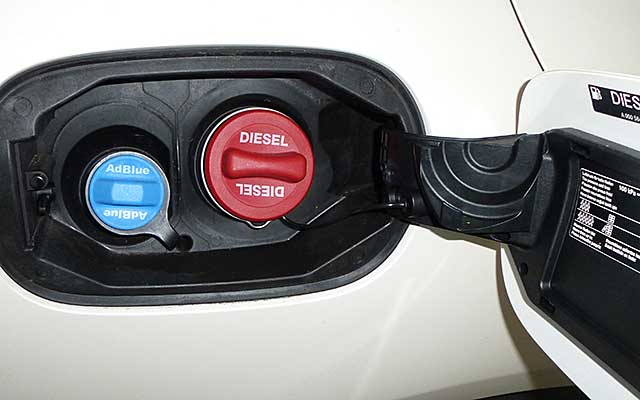
Жидкость AdBlue заливается в специльный для этого бак, заливная горловина которого находтися рядом с горловиной для заправки дизеля. В зависимости от модели Мерседес.
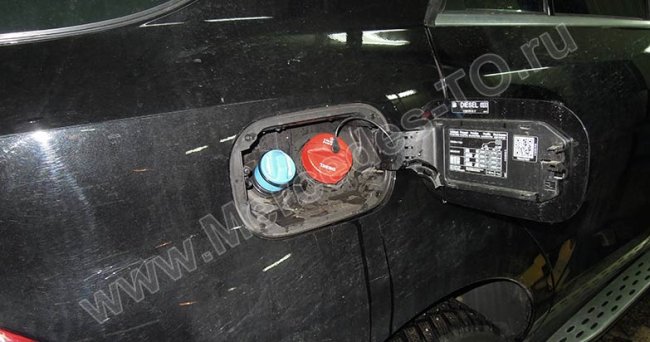
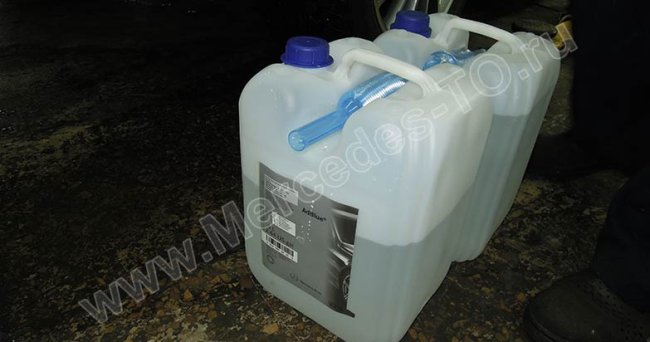
Заправочный объем для AdBlue Мерседес может варьироваться от 11 до 35 литров, в зависимости от модели автомобиля и установленного в него бака. Расход жидкости составялется 3 до 6% расхода дизельного топлива. В среднем 35 литров AdBlue хватает на 10-12 тысяч километров пробега. А учитывая то, что регламенто ТО мерседес для дизелей обязывает проводить плановую замену расходников каждые 10 000 км, то получается, что очистительной жидкости хватает примерно на одно ТО.
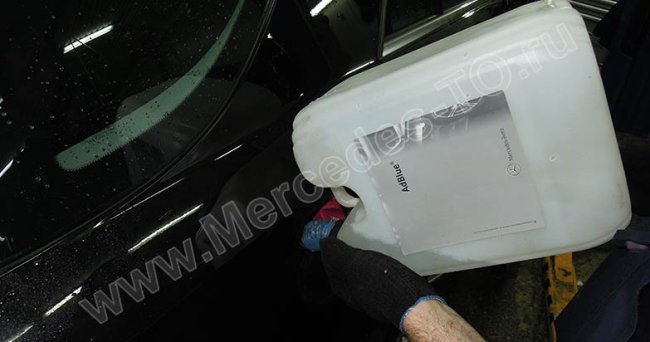
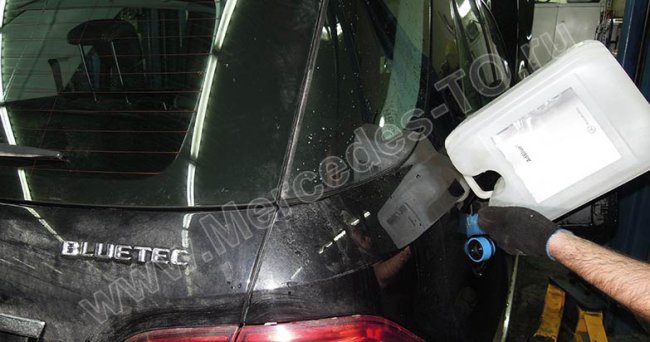
Когда требуется долить AdBlue
При каждом ТО Мерседес автомобиль оснащенный системой BlueTec проверяется, через бортовой компьютер, оставшийся километраж до доливки очередной канисты с AdBlue.
Сервисная система Assyst Plus позволяет не только отслеживать состояние автомобиля, но и прогнозирует остаток пути на который хватит залитой жидкости. Если вовремя ее не залить, система не даст запусить мотор. На приборной панели появится ошибка с уведомлением — «пуск невозможен через . км».
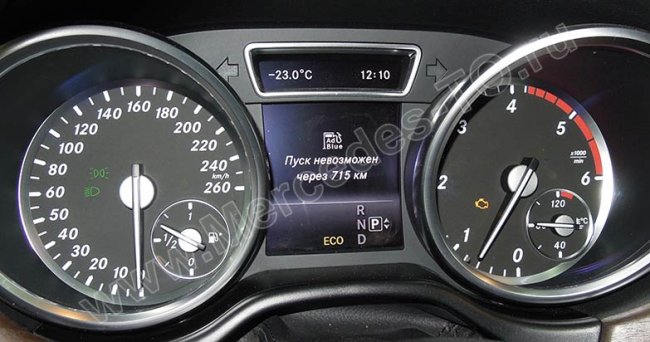
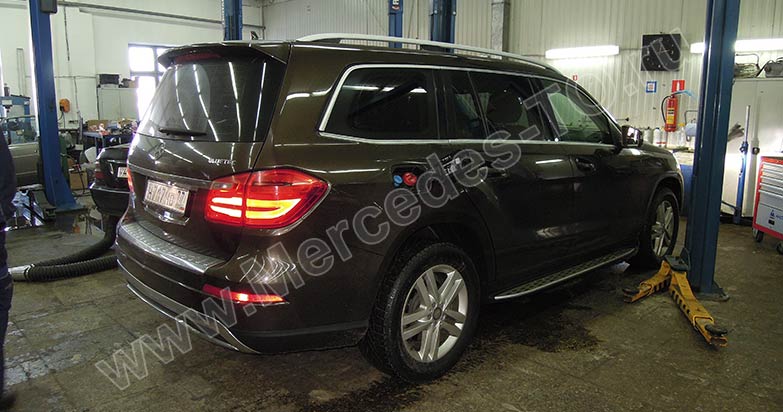
Упрощает процесс эксплуатации мерседес система Assyst PLUS которая остлеживание состояние автомобиля, в том числе и остаточный уровень AdBlue. Система спрогнозирует на какое растояние хватит залитой в бачке жидкости и заранее проинформирует о ее расходе на приборной панели.
Поделиться:
Техобслуживание
Плановое техобслуживание Мерседес является неотъемлемой частью исправной работы автомобиля и осуществляется на всем интервале эксплуатации транспортного средства. Благодаря регламентированным работам и плановому уходу обеспечивается постоянный контроль состояния автомобиля, а в случае обнаружения нештатного тех состояния предпринимаются действия, направленные на их устранение.
Объем ТО
Объем планового и внепланового технического обслуживания Мерседес зависит от следующих факторов — характера эксплуатации, возраста и пробега автомобиля, качества используемых расходных материалов. Различают несколько типов ТО отличающихся масштабом проводимых работ и заменяемых расходников — малое (A) и большое ТО (B). Любое ТО включает в себя замену моторного масла и фильтров.
Диагностика и РЕМОНТ
Правильное техобслуживание Мерседес обязательно включает в себя плановые диагностические работы. Эти работы позволяют провести качественную диагностику по многочисленным заводским параметрам и в случае выявления отклонения от нормативов предпринять меры по их возврату к номинальным значениям, путем проведения соответствующего ремонта.
2015-2023 © Mercedes TO. Россия, Москва, улица Садовники, 11А / Тел: +7(903)960-18-08 / Карта сайта
Любое частичное или полное копирование и воспроизведение контента без разрешения владельца запрещено в соответствии с законом об Авторском Праве.
What is AdBlue?
Many new diesel cars use a fluid called AdBlue. If your car uses AdBlue, you’ll probably need to top it up at least once between services.
Find out what it does, how it works and why it’s important to keep an eye on dashboard warnings – particularly if you’re a high-mileage motorist.
What is AdBlue?
AdBlue is an exhaust fluid, not a fuel additive. It’s stored in a separate reservoir and is topped up via a (usually) blue filler cap located either next to your fuel filler, in the boot or under the bonnet.
It’s a trade name registered by the German car manufacturers association, but is the most recognised form of Diesel Exhaust Fluid (DEF).
What is AdBlue made of?
AdBlue is a colourless, non-toxic mixture of urea and de-ionised water. It’s not actually blue at all.
Lots of people think AdBlue is made of pig urine – it’s not. The urea used in AdBlue is a high-purity man-made solution – pig urine wouldn’t be pure or sterile enough for a commercial product.
We provide 24/7 roadside assistance.
Why choose us?
- We have more expert Patrols in more places
- We fix 4 out of 5 cars at the roadside
- We’re a Which? recommended breakdown cover provider – the sixth year running in 2023
- UK drivers have consistently rated us as the best breakdown service against all other major breakdown service providers
Verify the above at theaa.com/best.
How does AdBlue work?
Tiny amounts of AdBlue are injected into the flow of exhaust gases. At high temperatures AdBlue turns to ammonia and carbon dioxide.
Inside the SCR (Selective Catalytic Reduction) catalyst, harmful nitrogen oxide in the exhaust reacts with the ammonia and is transformed in\to harmless nitrogen and water.
Similar technology has been used effectively for years in buses and heavy lorries.
Need breakdown cover? Read our guide about how it works:
What happens if I run out of AdBlue?
If you run out of AdBlue while you’re driving, then the engine’s power and performance will be reduced to limit its emissions. Once you’ve stopped, you won’t be able to restart the engine if the AdBlue tank’s empty.
The car will give you plenty of warning that the AdBlue tank is running low. You’ll usually see a text warning on the dashboard when there’s around 1500 miles’ worth of AdBlue left.
Does my car use AdBlue?
Some older cars or vehicles from other manufacturers use AdBlue too. So if you’re not sure if your car uses it, you can check:
- The vehicle handbook.
- See if there’s an AdBlue filler cap either next to the fuel filler, in the boot or under the bonnet.
- If the model name contains ‘Blue’ or ‘SCR’.
- If you’re still not sure, ask a dealer.
Where can I buy AdBlue?
AdBlue is sold by petrol stations, garages, motor accessory shops, online retailers and even some supermarkets. If you’re in any doubt that you’re buying the right stuff, contact your dealer.
It’s widely available in 1.5, 5 and 10-litre containers. The smaller packs have a specially-designed neck that lets you top up the tank without risk of spillage even if you don’t have a funnel.
With easy-fill bottles available, it’s a good idea to carry a small container of AdBlue so you’re ready to top up when necessary.
How long does AdBlue last?
The rate at which you use AdBlue depends on your engine and how economically you drive.
- Typical consumption is around a litre of AdBlue every 600 miles.
- But it could be as high as a litre every 350 miles.
- Tank size varies too, so you could need to refill somewhere between 3,000 and 12,000 miles depending on the car and your driving style.
This means that most drivers will have to top-up their AdBlue reservoir at least once between normal service visits to the dealer.
Is it safe to drive with the AdBlue warning light on?
It’s not a major safety issue, but if you don’t top up, you’ll eventually run out of AdBlue and you won’t be able to start the car.
When the warning light first comes on you’ll have plenty of time to refill – so don’t panic. Just make sure you don’t put off topping up, especially if you’re about to book an MOT test.
How to reset the AdBlue warning light
There’s no manual way of resetting your AdBlue warning light – the only thing you can do is top up. Once you’ve refilled to the minimum level, the warning light will normally disappear (though you may need to go for a short drive for the refill to register).
Where is the AdBlue tank?
The AdBlue tank is usually located under the boot floor, where the spare wheel might have been in the past. But it’s more important to know where the filler for it is located.
There’ll usually be a small blue filler cap next to the main diesel filler. If it’s not there, then check in the boot or under the bonnet.
What happens if I put AdBlue in the diesel tank?
Putting it directly into your fuel tank could cause expensive damage to your fuel tank, pump and injection system. If you start the engine it’s likely to be an expensive write-off, so don’t touch the ignition.
You’ll need to get the tank drained and the contents disposed of safely before you can refill it. Call us, and we’ll sort the problem out.
What happens if I put diesel in the AdBlue tank?
Don’t turn on the ignition or start the engine and call us for help.
If you do start your engine, then the damage could mean that you have to get the entire Selective Catalytic Reduction and AdBlue injection system replaced.
Find out more:
How do I refill the AdBlue tank?
- Follow any instructions given in your handbook or on the pack.
- Your handbook will tell you how much AdBlue the tank holds.
- 5 litres should be enough to make sure your car will restart if you’ve run out completely.
- You may need a funnel depending on where the AdBlue filler cap is located (next to the fuel filler, in the boot, or under the bonnet) and the size or design of the AdBlue pack you’ve got.
- Wash your hands and rinse any spills from the bodywork – AdBlue is non-toxic but can cause irritation to your skin and eyes and may damage the paintwork.
Can you overfill the AdBlue tank?
It’s possible to overfill the AdBlue tank on some cars, but it’s more likely to make a mess as it spills out of the filler cap, than to cause any damage. Pay attention to the size of your AdBlue tank and how many litres it can hold. If it’s only 8 litres then make sure to add around 7 litres, just to be safe.
How much does AdBlue cost?
AdBlue roughly costs around £8 for a 5L container, but prices can vary quite wildly if you’re looking to purchase some online. Make sure to check several sources before making your mind up.
Is all AdBlue the same?
You might see AdBlue with different names depending on the brand that’s making it, but the basic mixture doesn’t change. The solution should always be 32.5% urea and 67.5% de-ionised water.
FAQs
Which cars can use AdBlue?
Not all car manufacturers use AdBlue technology. But chances are if you’ve got a diesel from Jaguar, Land Rover or any French or German manufacturer, and it was registered new after September 2015, it’ll use AdBlue.
How does AdBlue reduce exhaust emissions?
AdBlue is added to your exhaust and mixes with the fumes your car produces. It reacts with nitrogen oxide gas (NOx gas) created by your engine and breaks it down into harmless nitrogen and water vapour.
NOx gases cause respiratory problems and contribute to the formation of particulate matter, smog, acid rain and ground level ozone.
Vehicles have to meet strict exhaust emissions limits and the latest standard, Euro 6, is very challenging on Nitrogen Oxide (NOx) limits.
Most cars can only meet the Euro 6 standard when fitted with emissions technology known as Selective Catalytic Reduction (SCR). This technology uses AdBlue to break down and reduce harmful emissions.
Is AdBlue toxic?
While AdBlue isn’t classified as toxic, it could still cause environmental damage if allowed to run into a source of water, and it can also be an irritant if it gets on your skin or in your eyes.
Can I refill AdBlue myself?
Yes, you can refill AdBlue yourself. Typically you’ll find an easily accessible AdBlue filler cap right next to the diesel filler cap. Simply unscrew the cap and pour in the AdBlue solution.
Is it ok to drive without AdBlue?
Once you’ve completely run out of AdBlue you won’t be able to start your car. You’ll get plenty of warnings from your dashboard when your AdBlue is getting low though, so make sure to get on top of it as soon as possible.
Driving with little or no AdBlue will reduce the performance of your engine, as it will compensate in order to reduce emissions.
How long does a full tank of AdBlue last?
Most tanks of AdBlue will get you through around 6,000 to 7,000 miles, but this can vary depending on your car and the size of the tank.
How do I start my car after running out of AdBlue?
If you’ve completely run out of AdBlue, your car won’t start again until you’ve refilled typically around 3-5 litres. Once your car starts, the AdBlue warning light may take some time to catch up. Don’t worry, it’ll soon turn off once you’ve driven for a while.
What is Adblue diesel exhaust fluid?
Adblue is an additive used in many newer diesel cars and has lately made news for being in short supply. So what is it and what does it do?
31 Dec 2022, 12:01 am
David Bonnici
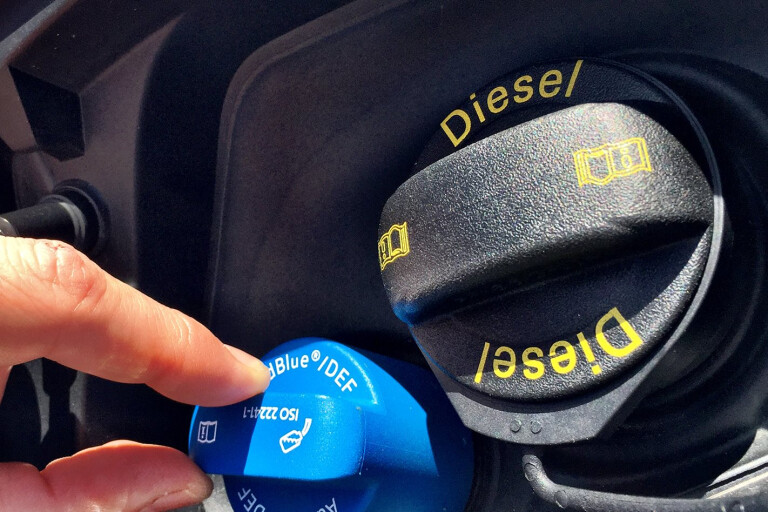
AdBlue was all over the news for a while there, but just what is it?
AdBlue is the marketing term for a fluid used in the catalytic convertor fitted to the exhaust systems of some diesel cars. It is injected into the exhaust gases and burnt at very high temperatures to break down harmful nitrogen oxides.
Some diesel engines need AdBlue to help them meet tough Euro 6 emissions standards that regulate what level of harmful emissions can come out of a car’s exhaust.
Which cars use AdBlue?
AdBlue is common in trucks and is now used in a number of late-model diesel cars and SUVs produced by a growing number of manufacturers including Renault, Citroen, BMW, Audi, Volkswagen, Ford, Mazda, and Toyota. Mercedes-Benz calls its AdBlue systems “BlueTec” – You’ve probably seen that badge around.
What is AdBlue made from?
AdBlue is composed of deionised water and urea.
Oh. What’s Urea?
Urea is a chemical compound that is widely used in a variety of applications, including fertilizers, animal feed, and the production of plastics and other industrial products.
Urea is in Urine, can you use that instead?
We’d (sorta kinda) love to say yes, but no, you can’t.
Your pee is only about 3.0 percent urea (the rest is mostly water), which is well short of the 32.5 percent needed for AdBlue to do its thing.
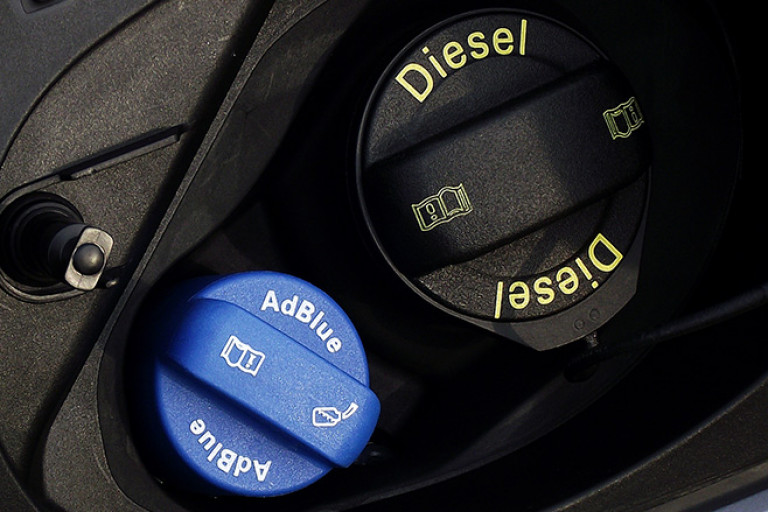
How does AdBlue work?
Firstly, AdBlue isn’t mixed with the diesel fuel. So don’t do that.
Instead, it works with the exhaust gasses after they come out of the engine. It is stored in a separate storage tank with its own inlet, and is sprayed into the exhaust stream in measured doses. It then reacts with the nitrogen oxide in the exhaust gasses and, via the catalytic converter, is transformed into nitrogen and water.
So, let’s say somebody added AdBlue to the fuel tank. what then? Asking for a friend.
If you your friend accidentally poured AdBlue into the fuel tank, don’t start the car.
The fuel tank will need to be drained, as it could damage the engine and corrode fuel lines.
Despite the harm caused by pouring AdBlue in the fuel tank, most cars have the two inlets next to each other – though you can clearly tell them apart as the AdBlue cap is generally blue and the pipe is too small for a fuel filler.
Do I need AdBlue for the car to run?
Mechnically, AdBlue isn’t required for the engine to work. However, because it keeps emissions within legal requirements, the car’s engine is programmed to stop working if there is insufficient AdBlue, or another liquid in the tank. You should get sufficient warning via your car’s multi-function display before this occurs.
How much AdBlue does a car use?
The average car uses about 5 percent of AdBlue as it does diesel fuel, which is about a litre for every 1000km travelled.
The storage tank is designed to be big enough so the AdBlue lasts within scheduled service intervals. If you run low before your next service, you can top it up yourself.
Is it easy to top it up?
Topping up is as simple as refilling your window washer reservoir. However, while AdBlue is considered a non-hazardous liquid, it is corrosive – so be sure to wash any part of your body and the car paintwork affected by a spill. And don’t forget the above warning about getting it in your fuel tank.
How much does AdBlue cost?
It’s relatively inexpensive when compared with something like motor oil. That said, the price can fluctuate based on the cost of urea production, which requires plenty of energy, mostly in the form of natural gas.
Prices can vary, but for a ballpark figure, a 2.0-litre bottle costs up to $30 from a car dealership, but for just $2.50 more you can get a 10-litre bottle.
It’s also available at auto-accessories stories from a range of brands, some which you’ll recognise from their engine oils. Be sure to check if they’re suitable for your vehicle. If in doubt buy it from your car manufacturer.
AdBlue has a shelf life of at least 12 months so you could get a couple of top ups out of it.
Первый раз доливаем AdBlue. Главное не ссать… 10053км

Не ссать? В смысле — не страшно… Реально как залить омывайку. Но всё незнакомое пугает. Самое пугающее что будет когда AdBlue кончится?! Без омывайки ехать можно, а без мочевины?! Вот верно — вопрос. На свой страх и риск катался практически досуха пытаясь разобраться КАКИЕ диагностические сообщения будет выдавать авто. Разобрался. Все фото ниже.
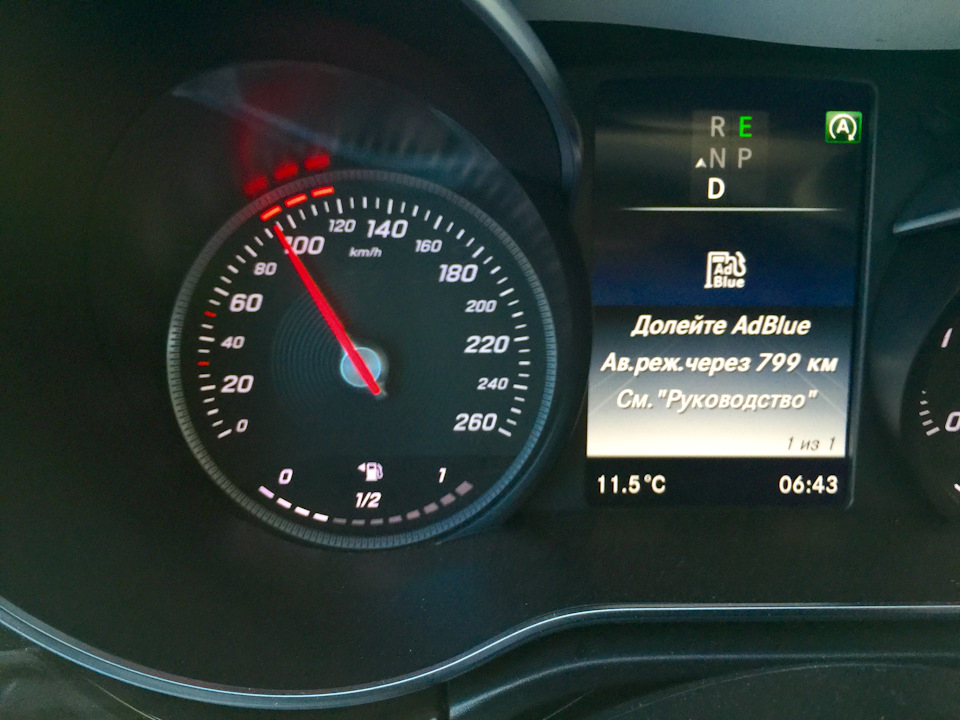
Первое сообщение — первый звоночек — Долейте AdBlue — на центральном экране панели приборов между тахометром и спидометром. В руководстве сказано, что минимальный уровень при котором возникает надпись 2.4л. Угу. А сколько заправлять? Какой расход этой мочевины на 100км пути?
Объём Бака 35л — так сказал сначала дилер. Потом поправился, что в моей модели бак 15л. В руководстве цифры другие! Написано 11.5 или 25 литров… какой точно? По индикации в меню ТО видимо 11.5л. Так как после залива 10л индикация показала, что бак полон. Одним вопросом меньше.
Походу с завода авто идёт со стартовым объемом мочевины литров 10.
Общие выводы:
1. Расход на 100км получается 0.1литра. Или проще литр мочевины 1000км пути. Расход сильно зависит от качества исходного топлива и стиля вождения. Заправляюсь на Газпромнефть. На сайте есть драйверы у кого улетает 2литра на 1000км. Я езжу в основном на режиме Eco (пенсионерский, ну ладно — бюргерский). Мощности и динамики хватает. Опять же Eco для меня лишний тормоз, когда полный салон детишек. Правда по необходимости для обгона или выезда на полосу разгона перехожу на Sport.
2. От первого сообщения до остановки авто можно проехать ДВА бака полных горючки. Проверено. см. ниже.
3. Залить можно самому. Ничего хитрого нет. Воронка нужна только. Ну и аккуратнее — не разливать на ЛКП.
4. Покупать впрок не стоит! Мочевина имеет срок годности. Внимание — при покупке обращать внимание на срок годности! От него смело отнимать 6мес.
5. На заправках мочевина сейчас дефицит. Просто так не стоит. Нашёл только на заправке Роснефти, две канистры на 10 и 20л. За 1600км пока ездил с предупреждением поглядывал наличие мочевины на других заправках в Москве и подмосковье. Нет. Увидел один раз на Газпромнефти канистру 20л. Но для карабуса это много. А после открытия остаток жидкости в канистре быстро превращается в воду и вонючий газ.
6. Теперь самое главное — почему не ссать?! Просто пока курил тему в форумах читал шапкозакидательские лозунги про «кончилась мочевина, машина не едет, пописай в бачок». Мочевина замерзает! Чистая правильная при -11градусах. И любые изменения концентрации (водой или чем-то там еще) приведут к повышению температуры замерзания (т.е. она начнет замерзать при -5 или при -1). Утверждается что на крайняк можно долить дистилированной водой
7. Самый главный вывод — в длинные путешествия по России и другой «негермании» стоит брать с собой канистру мочевины… ну или пробавляться у дальнобойщиков на модных авто.
Для тех кто решил отключить катализатор с мочевиной — тут написано чуток про спасение ежиков с помощью AdBlue
Для тех кто всё таки болеет за ёжиков — тут ЗР проводит тестирование жидкостей AdBlue. Думаю как всегда тесты куплены. Но инфа полезна.
Я отключать не не буду. Я за спасение ёжиков :). Ну а если серьезно — хочешь сделать свою страну лучше, чище, сделай свой город чище, сложно — сделай свой дом чище и лучше, сложно — начни с подъезда, гимор — наведи порядок на лестничной площадке . Короче — начни с себя. Опятьже когда приезжаю в загородный дом — там ВОЗДУХ, и это круто что заведенный мерс его НЕ ПОРТИТ. А это дорогого стоит! А это стоит всего 300-1300р раз в 10000км 🙂
Ниже в картинках факты
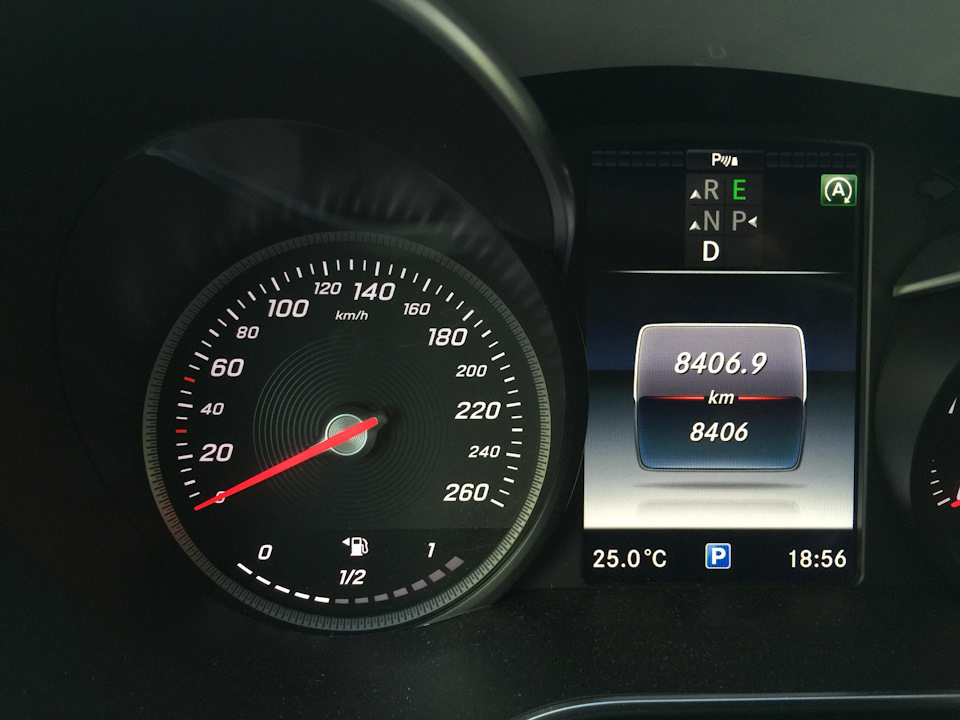

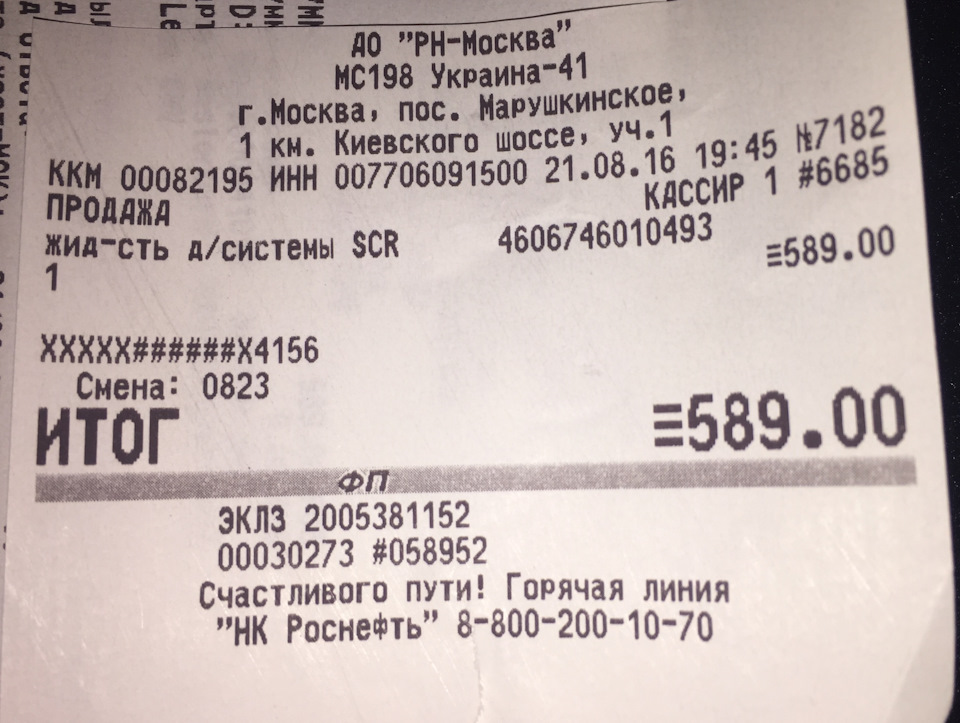
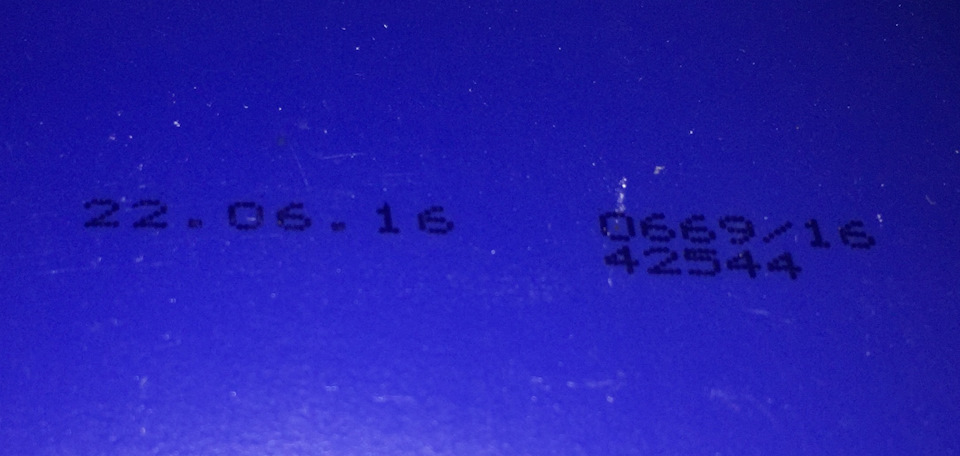
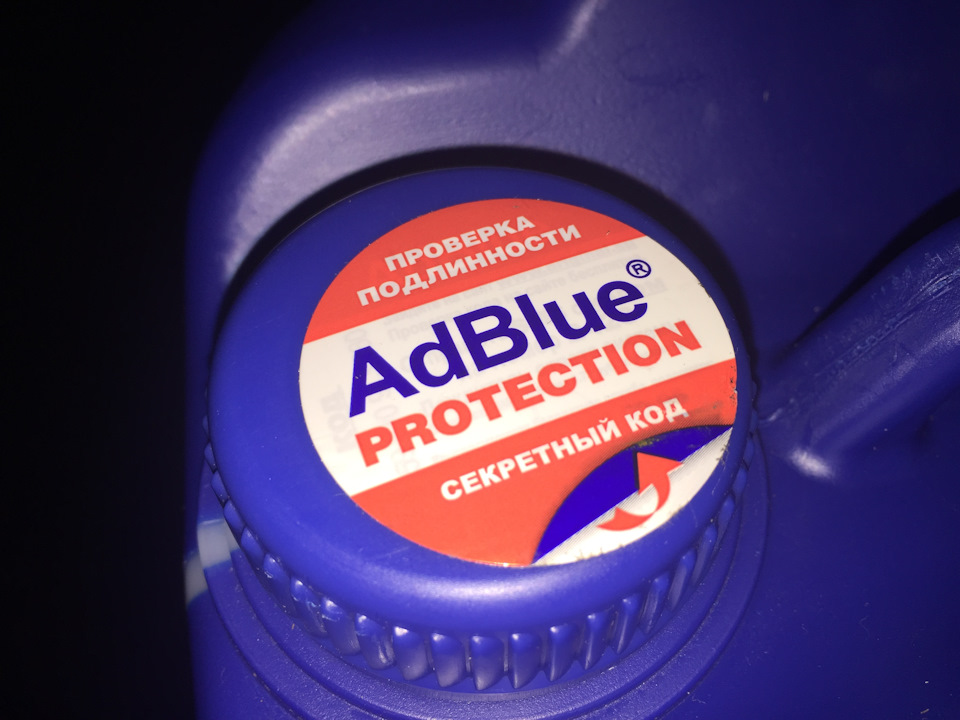



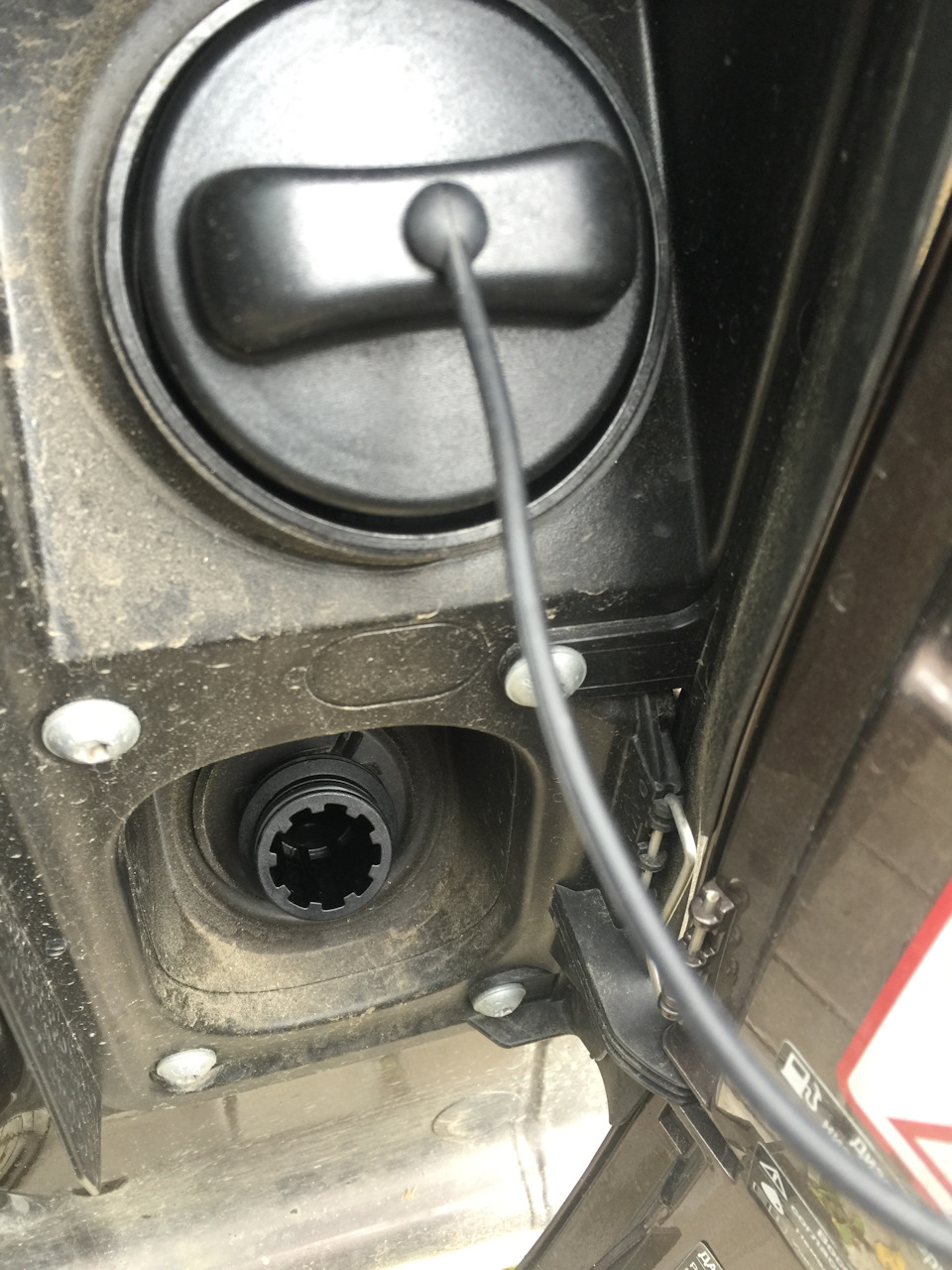
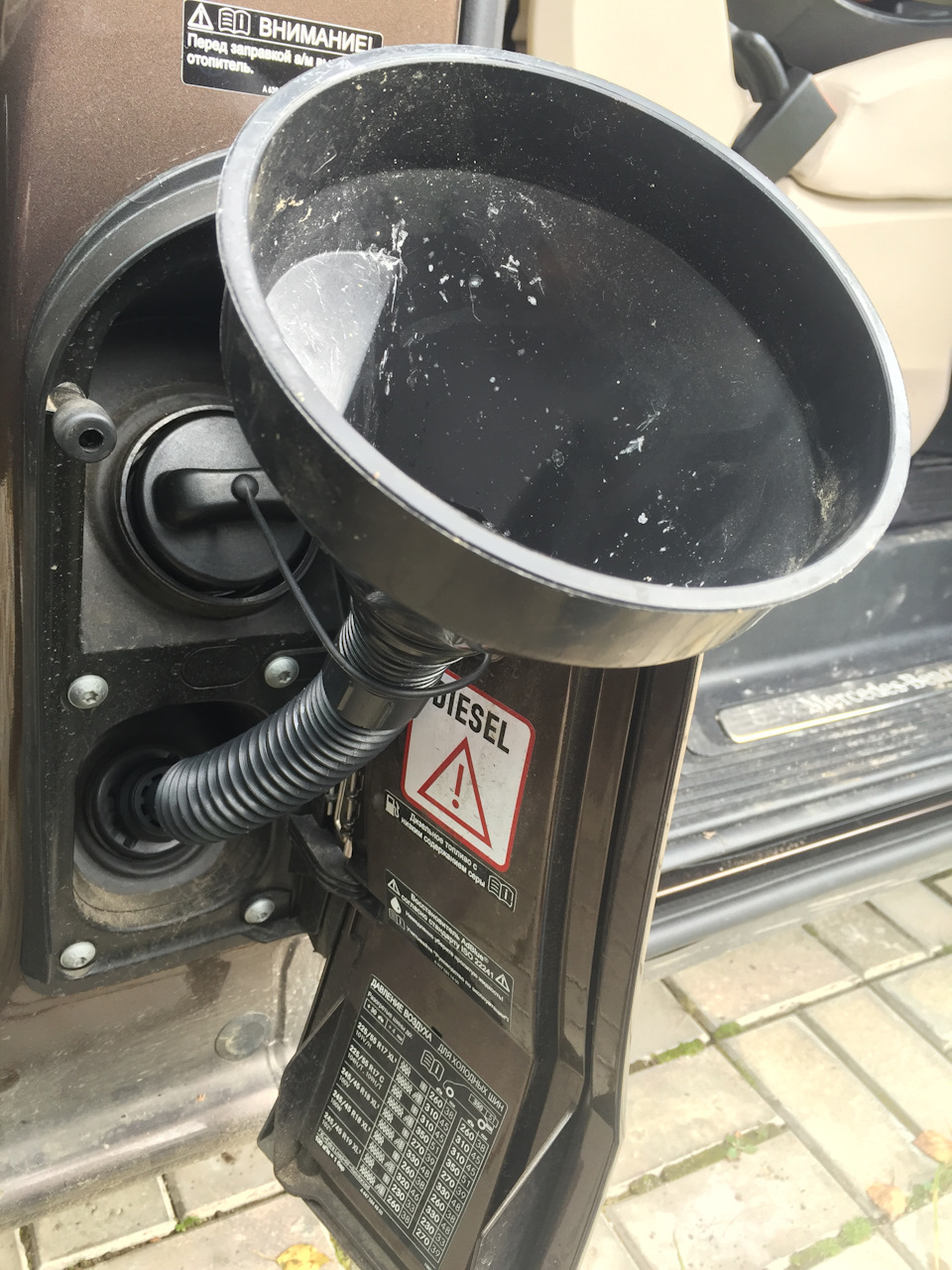
Фирменная канистра от Mercedes на 10l AdBlue стоит 1300р (2016-2017г это около 20 вечнозелёных американских убитых енотов). Идет с заливочным шлангом, т.е. можно без воронки обойтись и без опасений пролить. Подробнее в : Мочевинозависимость. Или в поисках благодатного источника. Часть 2